Crafting the
Perfect Match
Go behind the scenes of PairMind Games. From conceptualizing our soft, friendly puzzle aesthetic to engineering the core logic that makes every pair feel rewarding, see how we bring memory to life.
Soft Shapes & Friendly Colors
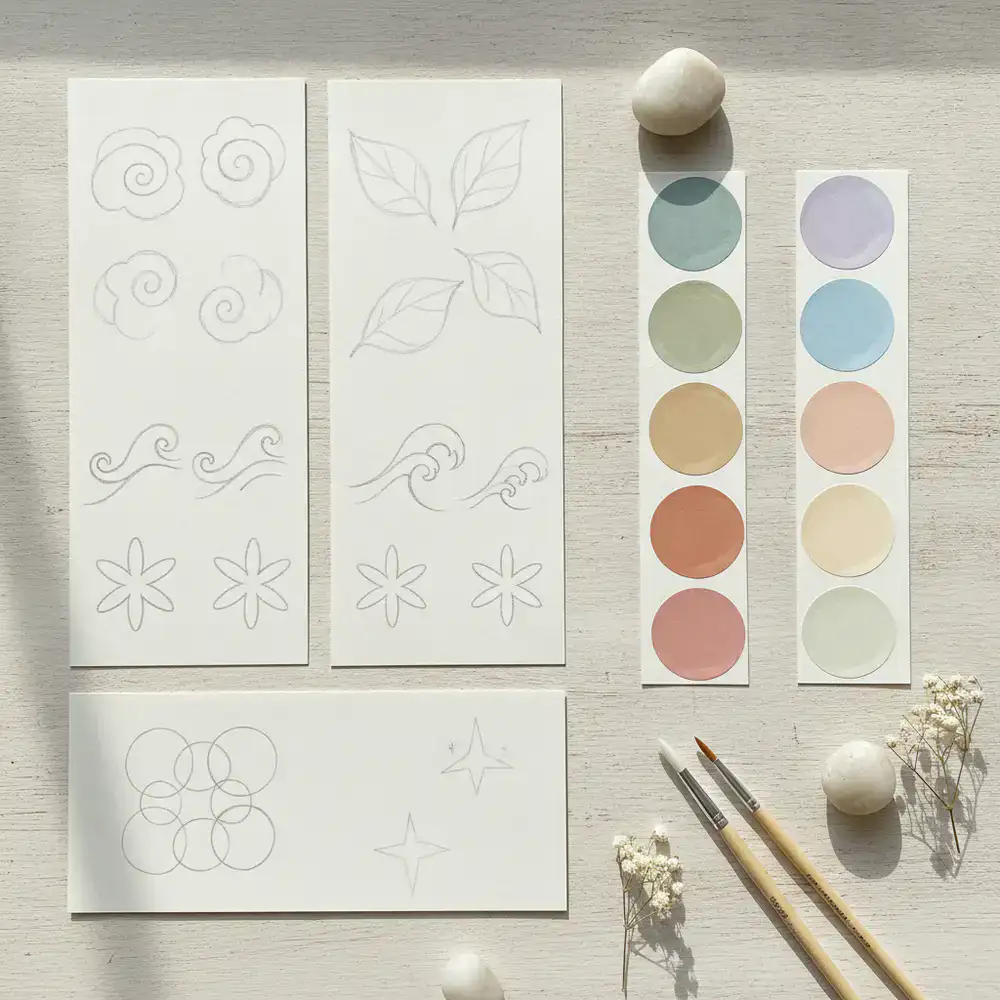
Memory games shouldn't feel like stressful tests. We designed our card illustrations and memory icons using a soft casual puzzle style. By relying on generous corner radii, warm lighting, and a light, uncluttered background, the visual environment invites players of all ages to relax and focus entirely on the match.
Building Reliable Game Logic
Progressive Level Structure
We engineered a dynamically scaling difficulty curve. Rather than simply increasing the number of cards, our level architecture adjusts the visual similarity of paired icons and modifies the allowable timer thresholds, ensuring a balanced challenge progression.
Fair Randomization Engine
True randomness can sometimes feel unfair to players. Our proprietary card distribution algorithm prevents problematic clustering of pairs while ensuring that each board is uniquely generated. This guarantees an unpredictable but solvable board every single session.
Fluid Animations & Tactile Feel
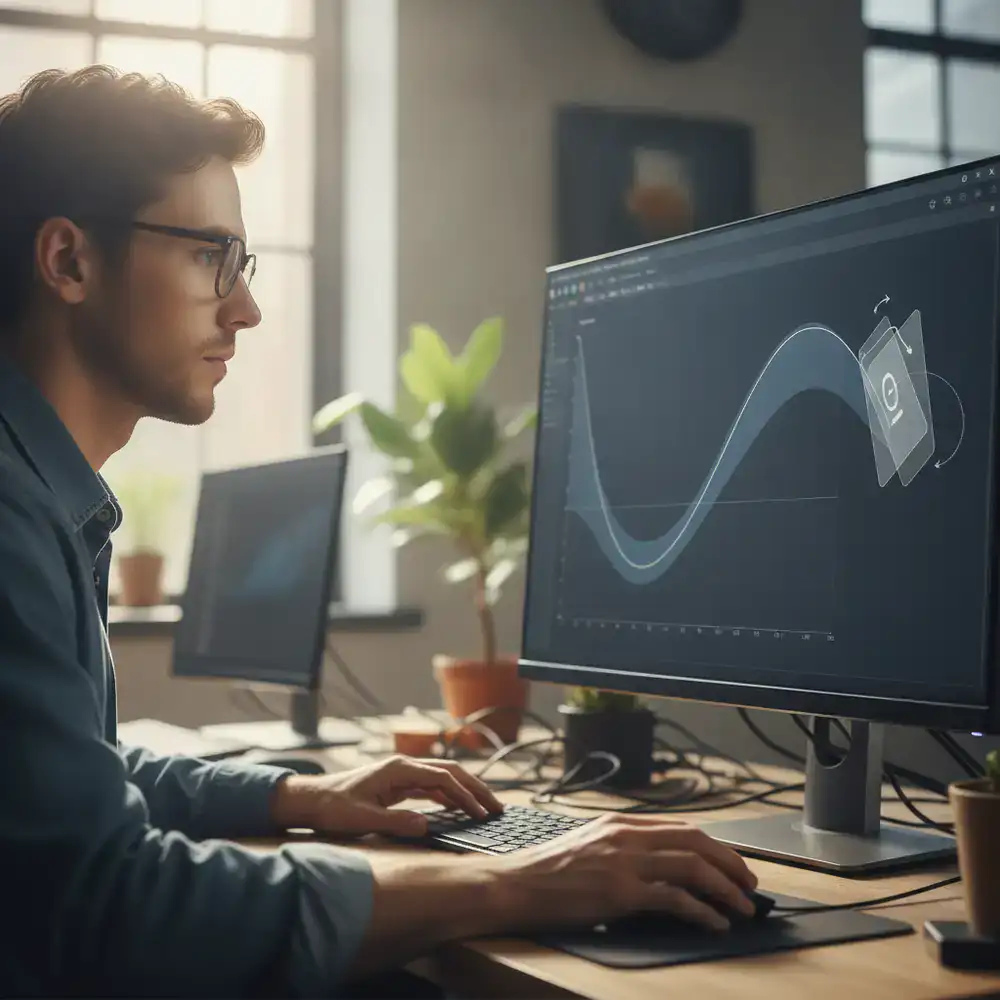
A digital card matching game lives and dies by its interactivity. We invested heavily in the animation systems to ensure that flipping a card feels instantly responsive. By tuning the ease-in and ease-out timing curves, the digital cards snap and settle with a satisfying, almost physical weight.
- Zero-latency touch response
- Hardware-accelerated 3D flips
- Rewarding particle effects on match
Audio Feedback
A great memory game relies on more than just visuals. Our audio feedback system provides satisfying, subtle sound cues for every card flip, match, and mistake. We carefully designed the soundscape to be relaxing and non-intrusive, enhancing the soft casual puzzle style without overwhelming the player.
Developer Inquiries & Playtesting
Interested in helping us test the latest builds? Have technical questions about our architecture? Reach out to the development team directly.